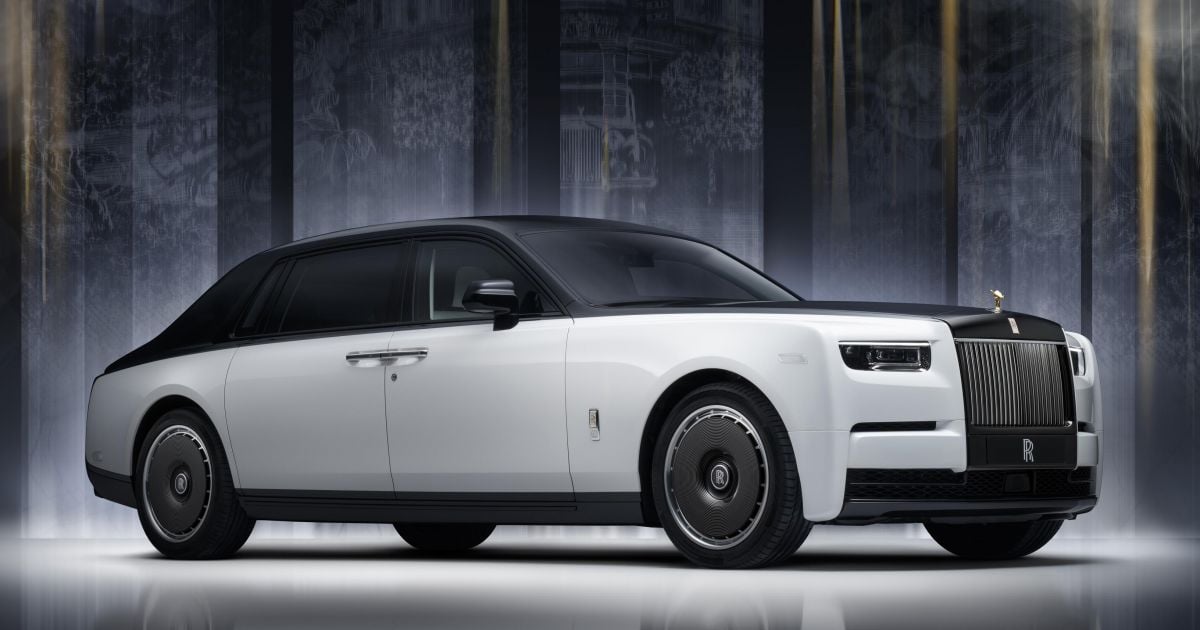
Scrapping Australia’s controversial Luxury Car Tax (LCT) is still on the table as part of negotiations for a free-trade (FTA) agreement with the European Union, which is expected to bring lower prices for European-made models.
The federal government expects the LCT to cost Australian new-car buyers $1.21 billion in the 2025-26 financial year (July 1, 2025, to June 30, 2026) – but it may be scrapped as part of the negotiations.
Prime Minister Anthony Albanese, speaking at last week’s G20 world leaders’ summit in Johannesburg, South Africa, said he hoped to have the FTA finalised in the first quarter of 2026.
When Mr Albanese was asked by media at the event if the previous proposal to scrap the LCT on European cars was still part of the negotiations, the Prime Minister remained coy on the details.
CarExpert can save you thousands on a new car. Click here to get a great deal.
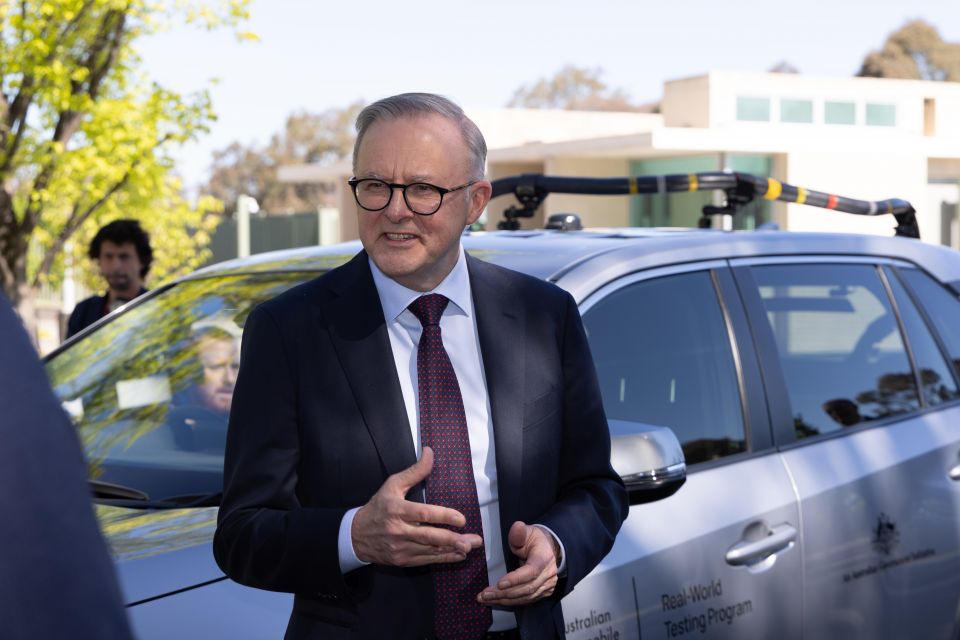
“I think we’ve been quite successful at not ruling things in or out at press conferences, but engaging in a respectful way with our partners,” he said, as reported on the ABC.
“I think that free and fair trade is very much in Australia’s national interests.”
Previous reports have suggested the dumping of LCT hinges on the deal on agricultural exports to the EU, which has been pushing for the LCT’s removal as part of the negotiations since 2018.
According to The Australian, around 40 per cent of the revenue from LCT comes from sales of European cars.

The LCT was introduced in the mid-2000s – replacing wholesale tax on luxury vehicles – under the John Howard-led federal government and was intended to protect Australian vehicle manufacturing industry.
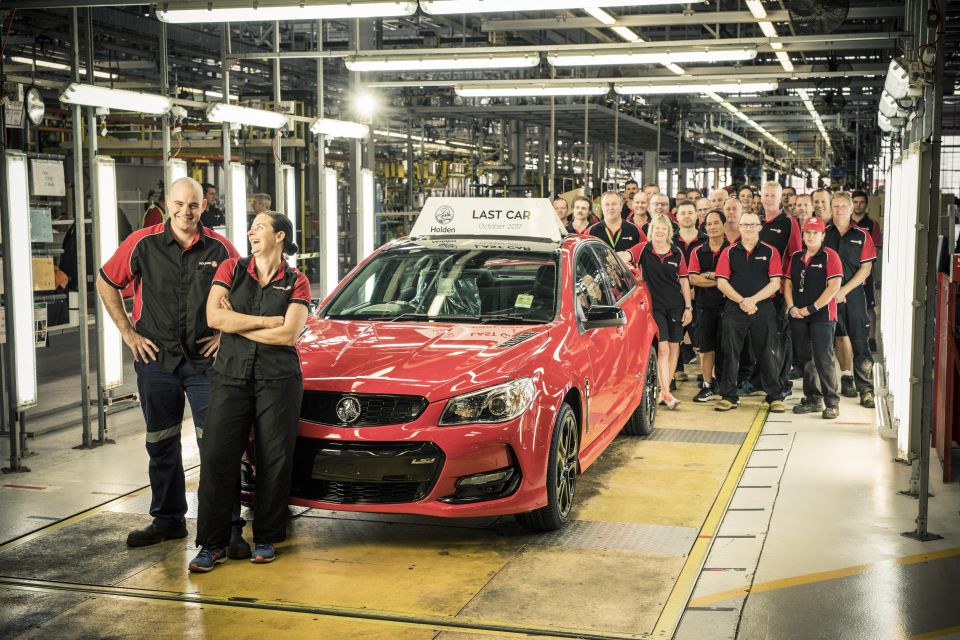
Vehicle manufacturing ended in Australia when Holden and Toyota stopped making cars locally in 2017, after Ford closed its remaining factories at Geelong and Broadmeadows a year earlier in October 2016.
A review of Australia’s tax system in 2010 suggested the LCT could be “regarded as discriminatory as it is the only Australian government tax that applies to the sale of goods or services designated as luxury”.
‘Luxury cars’ have been subject to additional taxation in Australia since 1979 – when only two Australian-made models, the Holden Statesman and Ford LTD – were priced above the $18,000 threshold.

After its introduction in 2000, the LCT rate has been reindexed annually and currently applies to vehicles costing $80,567 or more, or $91,387 for ‘fuel-efficient vehicles’.
Fuel-efficient vehicles are defined as having an official combined fuel consumption figure of 3.5L/100km or less.
Buyers of cars subject to LCT pay 33 per cent per dollar on the amount above the threshold – in addition to stamp duty, registration and other state/territory-based statutory on-road costs.
The Federal Chamber of Automotive Industries (FCAI) has criticised the LCT as being out of date since Australian vehicle manufacturing ended, saying it applies unfairly to a disproportionate number of vehicles, including for example all Toyota LandCruiser 300 Series variants.
In a 2023 call for the LCT’s removal, the FCAI said in a statement: “It should be scrapped. It’s now just a handbrake on the industry bringing the best fuel efficiency and safety technologies to Australian consumers.”
A January 2025 submission on tax changes by The Australia Institute pointed to the LCT as a factor in the increase in popularity of dual-cab utes such as the Toyota HiLux and Ford Ranger – with the two models topping sales charts since 2015.
“While utes are necessary for a range of occupations, their proliferation, particularly of larger, heavier models, damages the environment, damages roads, and incurs a range of other costs on society,” Greg Jericho, chief economist for The Australia Institute, said in the report.
“Every dual-cab ute on the market in 2024 was exempt from Luxury Car Tax, with no requirement for the owner to demonstrate that the car was being purchased or used for primarily commercial rather than personal use.”

Benefits of the FTA for the EU include cheaper access to Australia’s rare earth minerals, which have a heightened importance after supply chain vulnerabilities with China forced production stoppages at Volkswagen factories in Europe last month.
Among major car-building nations, Australia currently has an FTA with Japan, Thailand, China and Korea, with work on an India-Australia FTA also underway.
According to a federal government paper, any FTA with the EU would be designed to “drive Australian exports, economic growth and job creation”.
MORE: Ferrari says depreciation is normal and warns against gradual Luxury Car Tax reform