Here’s how much DRLs will lower your bill
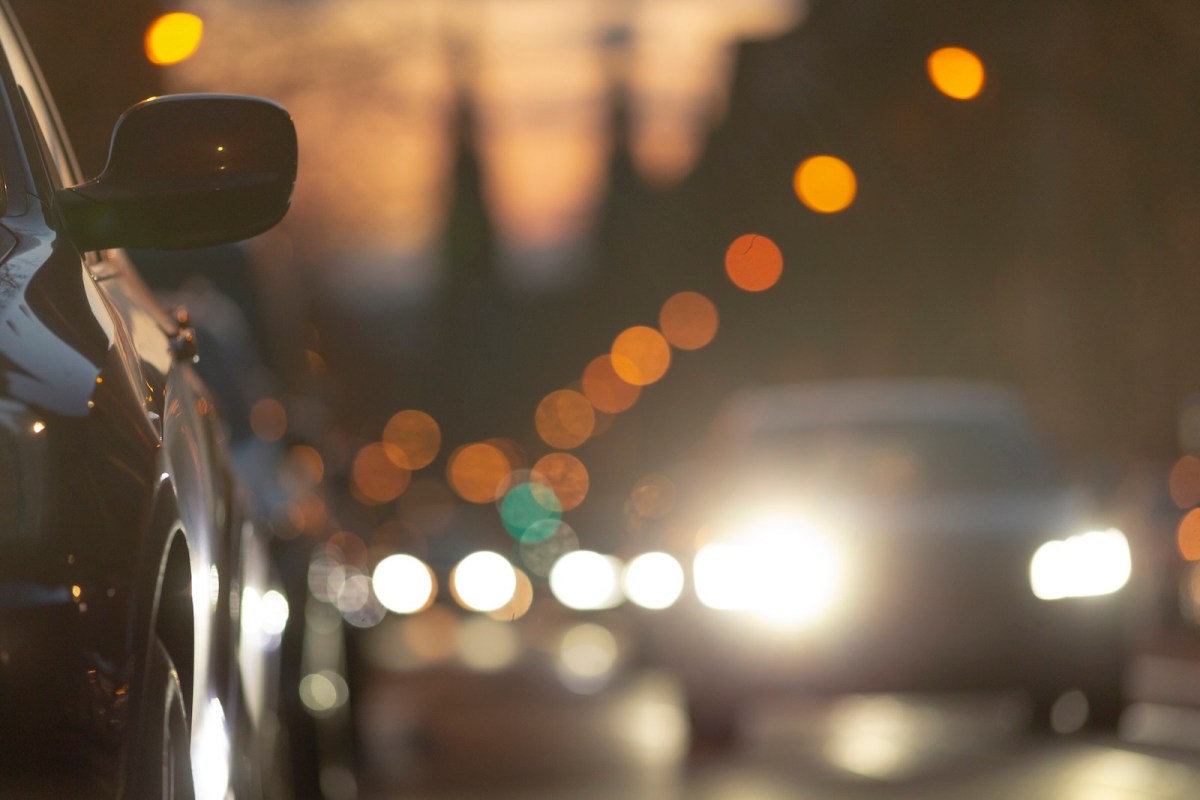
For years, a rumor has circulated online claiming that automatic headlights or daytime running lights can reduce your insurance bill. Some drivers think it’s a scam to push newer cars with more safety features. It isn’t. Vehicles with DRLs get in 3.2% fewer multi-vehicle crashes on average. Not every insurer has caught up, but several do offer discounts.
First, a quick definition. Automatic headlights turn on whenever your car senses darkness. There isn’t solid evidence yet that they make your car safer. Daytime running lights work differently. They turn on whenever you start your vehicle.
The IIHS studied accidents in nine states in 2002. It concluded that DRLs prevented some collisions. “On average, these vehicles were involved in 3.2% fewer multiple-vehicle crashes than vehicles without daytime running lights.”
Snopes asked multiple insurance providers about DRL discounts. Here are the negative responses. Allstate said, “We do not offer discounts for automatic headlights or daytime running lights.” Travelers Insurance said, “We do not offer a discount for these features.” Nationwide, Progressive, USAA, and Liberty Mutual’s websites specifically said, “No.”
Two insurance companies offer discounted rates for cars with DRLs
Geico’s website says, “Vehicles equipped with daytime running lights as standard equipment could earn you a 3% discount on certain car insurance coverages.”
A Farmers Insurance spokesperson said the DRL savings varies by state.
State Farm also said it varies by state. It offers a discount in New York only, for example.
Even if your insurer doesn’t offer a DRL discount, the feature may still be worth it. And not just for crash prevention. The IIHS explains, “IIHS gives safety rating for cars. Headlights are one element of the rating and contribute to the overall safety of a vehicle. Many insurers use the IIHS rating when determining the premium for an auto policy.”