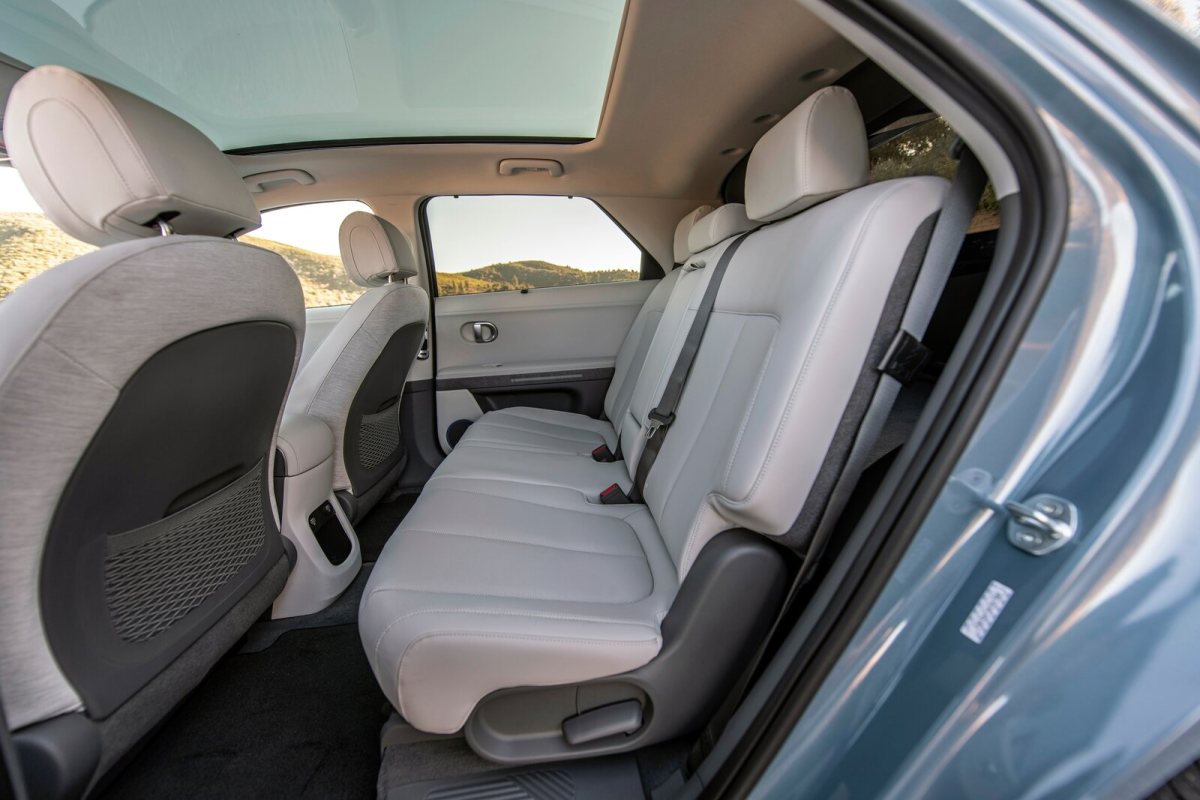
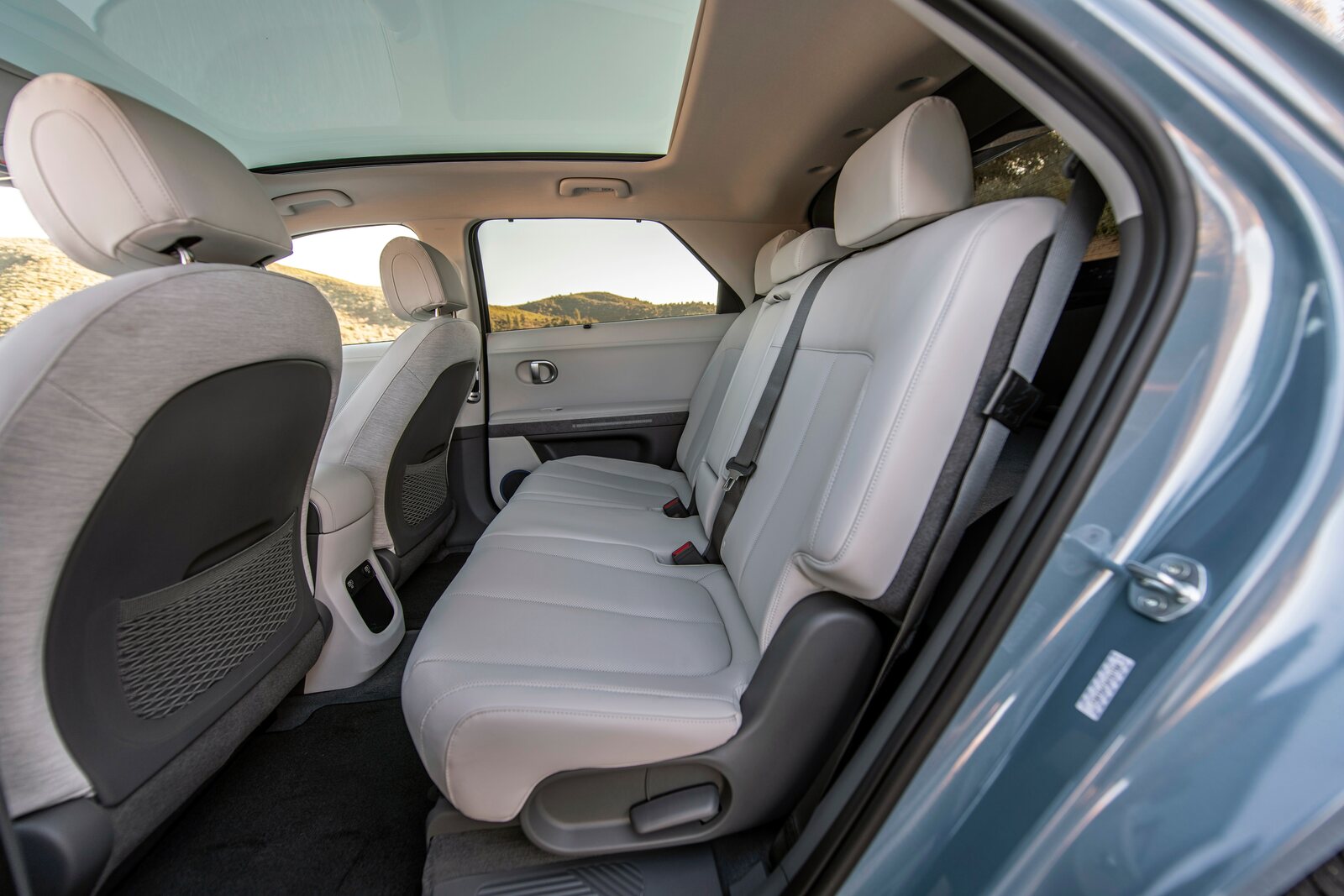
Michael McCormick thought he had found the perfect daily driver in his 2023 Hyundai Ioniq 5. In fact, even after getting some very sorry news from the dealer, he still speaks highly of the EV.
The all-electric SUV’s instant torque and sleek design had impressed him from the start. But one ordinary day in Lakeland, Florida, his Ioniq ended up at the center of a repair nightmare. It happened after a basic 20-ounce water bottle in the back seat tipped over during a traffic slowdown on Interstate 4.
The Ioniq owner reported feeling a small splash on his ankles
Within minutes, warning lights began flashing across the dashboard.
By the time he got home, the car wouldn’t shut off. The start/stop button was unresponsive and the turn signals failed. The Ioniq was essentially paralyzed, leaving him grateful to have made it home safely.
At his local Hyundai dealership, the service team traced the problem to the floor and driver seat wiring harnesses, estimating replacement costs at nearly $12,000
The dealership explained the damage was likely caused by moisture from the spill and possibly sand on the floorboards.
McCormick reported that Hyundai would not cover the repairs under warranty. The carmaker claimed it was all the result of external factors rather than a manufacturing defect.
State Farm also denied his insurance claim, citing “corrosion over time” rather than sudden accidental damage.
Consumer experts point out that modern vehicles, particularly electric models like the Ioniq 5, are effectively computers on wheels
Clark Howard explained to WFTV Channel 9 that wiring harnesses in today’s cars carry crucial signals between components. They can be far more sensitive than in older internal combustion engine (ICE) vehicles.
McCormick’s case highlights how the Ioniq 5 seemingly routes wires under the seats to components linked to the ignition and start/stop systems
This makes these areas unusually critical compared with many ICE cars, where under-seat wiring typically connects to airbags, seat controls, or basic electronics rather than the core vehicle ignition.
Other Ioniq owners report similar issues
Reddit posts describe wiring bundled tightly beneath the seats, leaving little space and creating a risk of snagging or damage from minor spills. The cost to repair such damage is often not covered under warranty, leaving owners frustrated and out of pocket.
McCormick said he sees this as a design flaw. Everyday life includes spills in the back seat. Kids, commuters, or a stray drink aren’t abnormal factors in any car. He questioned whether essential systems should be so exposed to such a common hazard.
Hyundai responded to him only in writing, noting the damage appears to have been caused by an outside influence rather than a defect.
EVs, with their unique layouts and sensitive electronics, may carry repair vulnerabilities that ICE vehicles historically did not
What seems like a minor accident in a conventional car can turn into a major bill in a modern electric one. At least for this Ioniq, a spilled bottle of water turned an exciting EV into a warning for other owners.